Seoul Subway Line 1
| Line 1 | |||
|---|---|---|---|
   | |||
| Overview | |||
| Native name |
1호선(一號線) Il Hoseon | ||
| Type | Rapid transit/Commuter rail | ||
| System | Seoul Metropolitan Subway | ||
| Status | Operational | ||
| Termini |
Soyosan Incheon / Sinchang / Gwangmyeong / Seodongtan | ||
| Stations |
97 Seoul Metro: 10 Korail: 87 | ||
| Operation | |||
| Opened | August 15, 1974 | ||
| Operator(s) | Seoul Metro & Korail | ||
| Technical | |||
| Line length |
200.6 km (124.6 mi) Seoul Metro: 7.8 km (4.8 mi)[1] Korail: 192.8 km (119.8 mi) | ||
| Track gauge | 1,435 mm (4 ft 8 1⁄2 in) | ||
| Operating speed | 100 km/h (62 mph) | ||
| |||

Seoul (Metropolitan) Subway Line 1 of the Seoul Metropolitan Subway, is a commuter rail service which links central Seoul, South Korea to Soyosan Station in the northeast, Incheon in the southwest, and Sinchang via Suwon and Cheonan in the south. The central underground portion of this rail line is the oldest subway section in the Seoul Metropolitan Subway system; the entire rail line covers a large part of the Seoul Capital Area. The underground section between Seoul Station and Cheongnyangni Station, which is referred to as Seoul Metro Line 1 (7.8 kilometers (4.8 mi)), is currently operated by Seoul Metro.[1] The line first opened in 1974 with through services to overground national railroad tracks from Seongbuk Station (now: Kwangwoon University Station) to Incheon and Suwon Stations.[2] At the time, the underground portion of Line 1 run by Seoul Metro was labeled red on maps. On the other hand, the remaining sections of the rail line run by Korail were labeled either blue or gray on maps, and the express lines were red. In 2000, the adjacent through-running Korail lines were officially bundled together as part of a greater Line 1, and the labeling on maps was changed to the current dark blue color. Commuter railway service was extended to Sinchang in December 2008.
Frequent service is provided between Soyosan, Dongducheon, Uijeongbu, Cheongnyangni, Seoul, Yongsan, and Guro, where trains split between Incheon in the west and Byeongjeom and Cheonan in the south. Express trains operate from Yongsan and Seoul Stations to Dongincheon and Cheonan stations.
Trains travel along Gyeongbu (Seoul-Cheonan), Gyeongin (Guro-Incheon), Janghang (Cheonan-Sinchang) and Gyeongwon (Hoegi-Soyosan).
In June 2006, Jinwi and Jije Stations opened on the Gyeongbu Line. In January 2010 Dangjeong Station opened, between Gunpo and Uiwang Stations. Part of the Gyeongwon Line from Dongducheon (formerly Dongan) to Uijeongbu was merged into Line 1 in December 2006.
Rapid (Express) trains
Korail operates a variety of express "rapid" (급행) trains for long distance commuter services on Line 1. These services include:
- Gyeongin line express services from Yongsan to Dongincheon, operating express between Guro and Dongincheon (although one train on weeknights originates from Yangju and travels all the way to Incheon and operates express from Guro to Dongincheon). This service was introduced on January 29, 1999. Jemulpo Station and Gaebong Station have began serving express trains on February 1, 2016.
- Gyeongwon line express services from Dongducheon (although several trains originate from Soyosan) to Incheon, operating express between Dongducheon and Kwangwoon University and run local train between Incheon and Kwangwoon University.
- Gyeongbu line express services, including:
- Yongsan-Cheonan ("A" and "B" express services), with "B" express services making fewer stops than the "A" services.
- Seoul Station-Cheonan (green express), skipping all stations between Seoul Station and Geumcheon-gu Office Station, making intermediate stops at Anyang, Gunpo, and Uiwang and then following the "A" express service pattern. This service was introduced on October 20, 1982.
- Yeongdeungpo-Byeongjeom ("C" express service), skipping all stations between Yeongdeungpo and Anyang and then following the "A" express service pattern until Byeongjeom. This service was introduced on August 25, 2014.
Stations
| Cheongnyangni – Seoul Station | ||||||||||||||||||||||||||||||||||||||||||||||||||||||||||||||||||||||||||||||||||||||||||||||||||||||||||||||||||||||||||||||||
|---|---|---|---|---|---|---|---|---|---|---|---|---|---|---|---|---|---|---|---|---|---|---|---|---|---|---|---|---|---|---|---|---|---|---|---|---|---|---|---|---|---|---|---|---|---|---|---|---|---|---|---|---|---|---|---|---|---|---|---|---|---|---|---|---|---|---|---|---|---|---|---|---|---|---|---|---|---|---|---|---|---|---|---|---|---|---|---|---|---|---|---|---|---|---|---|---|---|---|---|---|---|---|---|---|---|---|---|---|---|---|---|---|---|---|---|---|---|---|---|---|---|---|---|---|---|---|---|---|
Legend | ||||||||||||||||||||||||||||||||||||||||||||||||||||||||||||||||||||||||||||||||||||||||||||||||||||||||||||||||||||||||||||||||
| ||||||||||||||||||||||||||||||||||||||||||||||||||||||||||||||||||||||||||||||||||||||||||||||||||||||||||||||||||||||||||||||||


.svg.png)
Main Lines
GW: Gyeongwon (Dongducheon - Incheon) express
GI: Gyeongin (Yongsan - Dongincheon) express
GB: Gyeongbu red express
- A: Yongsan-Cheonan
- B: Yongsan-Cheonan limited stop
- C: Yeongdeungpo-Byeongjeom limited stop
SC: Gyeongbu green (Seoul - Cheonan) limited stop
| O | stops at the station |
| | | does not stop at the station |
| ▲ | peak-off station (only stops in the morning) |
| Number |
English |
Hangul |
Hanja |
|
|
|
|
|
|
in km |
Distance |
| |
| |
Soyosan | 소요산 | 逍遙山 | |
|
|
Line |
|
|
|
| ||
|---|---|---|---|---|---|---|---|---|---|---|---|---|---|
| |
Dongducheon | 동두천 | 東豆川 | |
|
| |||||||
| |
Bosan | 보산 | 保山 | |
|
| |||||||
| |
Dongducheon Jungang | 동두천중앙 | 東豆川中央 | |
|
| |||||||
| |
Jihaeng | 지행 | 紙杏 | |
|
| |||||||
| |
Deokjeong | 덕정 | 德亭 | |
|
|
| ||||||
| |
Deokgye | 덕계 | 德溪 | |
|
| |||||||
| |
Yangju | 양주 | 楊州 | |
|
| |||||||
| |
Nogyang | 녹양 | 綠揚 | |
|
|
| ||||||
| |
Ganeung | 가능 | 佳陵 | |
|
| |||||||
| |
Uijeongbu | 의정부 | 議政府 | |
|
| |||||||
| |
Hoeryong | 회룡 | 回龍 | |
U | |
| ||||||
| |
Mangwolsa | 망월사 | 望月寺 | |
|
| |||||||
| |
Dobongsan | 도봉산 | 道峰山 | |
 |
|
|
|
| ||||
| |
Dobong | 도봉 | 道峰 | |
|
| |||||||
| |
Banghak | 방학 | 放鶴 | |
|
| |||||||
| |
Chang-dong | 창동 | 倉洞 | |
 |
|
| ||||||
| |
Nokcheon | 녹천 | 鹿川 | |
|
| |||||||
| |
Wolgye | 월계 | 月溪 | |
|
|
| ||||||
| |
Kwangwoon Univ. | 광운대 | 光云大 | |
Gyeongchun | |
| ||||||
| |
Seokgye | 석계 | 石溪 | |
 |
|
| ||||||
| |
Sinimun | 신이문 | 新里門 | |
|
| |||||||
| |
Hankuk Univ. of Foreign Studies | 외대앞 | 外大앞 | |
| ||||||||
| |
Hoegi | 회기 | 回基 | Gyeongui–Jungang Gyeongchun | |
| |||||||
| |
Cheongnyangni | 청량리 | 淸凉里 | Gyeongui–Jungang Gyeongchun | |
|
| ||||||
| |
Jegi-dong | 제기동 | 祭基洞 | |
| ||||||||
| |
Sinseol-dong | 신설동 | 新設洞 |  (Seongsu) (Seongsu)Ui (2017) |
|
| |||||||
| |
Dongmyo | 동묘앞 | 東廟앞 | |
|
|
| ||||||
| |
Dongdaemun | 동대문 | 東大門 | |
|
| |||||||
| |
Jongno 5(o)-ga | 종로5가 | 鍾路5街 | |
| ||||||||
| |
Jongno 3(sam)-ga | 종로3가 | 鍾路3街 |   |
|
| |||||||
| |
Jonggak | 종각 | 鐘閣 | |
| ||||||||
| |
City Hall | 시청 | 市廳 | |
|
|
| ||||||
| |
Seoul Station | 서울역 | 서울驛 | |
Gyeongui–Jungang (Seoul Station brach)   Gyeongbu HSR Gyeongbu Gyeongjeon Gyeongbu HSR Gyeongbu Gyeongjeon  Saemaul-ho & ITX-Saemaeul Mugunghwa-ho Saemaul-ho & ITX-Saemaeul Mugunghwa-ho |
|
| ||||||
| |
Namyeong | 남영 | 南營 | |
Line |
|
|
| |||||
| |
Yongsan | 용산 | 龍山 | |
B |
|
Gyeongui–Jungang Shinbundang (2020+) Honam Saemaul-ho & ITX-Saemaeul Mugunghwa-ho |
|
| ||||
| |
Noryangjin | 노량진 | 鷺梁津 | B |
|
 |
|
|
| ||||
| |
Daebang | 대방 | 大方 | B |
|
|
|
| |||||
| |
Singil | 신길 | 新吉 | B |
|
|
|
| |||||
| |
Yeongdeungpo | 영등포 | 永登浦 | |
|
Gyeongbu (limited service) Saemaul-ho & ITX-Saemaeul Mugunghwa-ho |
|
| |||||
| |
Sindorim | 신도림 | 新道林 | B |
|
|
|
|
| ||||
| |
Guro | 구로 | 九老 | |
B |
|
|
| |||||
| |
Guil | 구일 | 九一 | |
|
Line |
|
| |||||
| |
Gaebong | 개봉 | 開峰 | |
|
| |||||||
| |
Oryu-dong | 오류동 | 梧柳洞 | |
|
| |||||||
| |
Onsu | 온수 | 溫水 | |
|
|
| ||||||
| |
Yeokgok | 역곡 | 驛谷 | |
|
|
|
| |||||
| |
Sosa | 소사 | 素砂 | |
|
| |||||||
| |
Bucheon | 부천 | 富川 | |
|
| |||||||
| |
Jung-dong | 중동 | 中洞 | |
|
| |||||||
| |
Songnae | 송내 | 松內 | |
|
| |||||||
| |
Bugae | 부개 | 富開 | |
|
|
|
| |||||
| |
Bupyeong | 부평 | 富平 | |
Incheon 1 | |
| ||||||
| |
Baegun | 백운 | 白雲 | |
|
| |||||||
| |
Dongam | 동암 | 銅岩 | |
|
| |||||||
| |
Ganseok | 간석 | 間石 | |
|
|
| ||||||
| |
Juan | 주안 | 朱安 | |
Incheon 2 | |
| ||||||
| |
Dohwa | 도화 | 道禾 | |
|
| |||||||
| |
Jemulpo | 제물포 | 濟物浦 | |
|
| |||||||
| |
Dowon | 도원 | 桃源 | |
|
|
| ||||||
| |
Dongincheon | 동인천 | 東仁川 | |
|
| |||||||
| |
Incheon | 인천 | 仁川 | |
Suin (February 27, 2016) Wolmi Monorail (2016-2017) | |
| ||||||
| |
Guro | 구로 | 九老 | |
|
B |
|
(Incheon) |
Line |
|
|
|
|
| |
Gasan Digital Complex | 가산디지털단지 | 加山디지털團地 | |
B |
|
|
|
|
| |||
| |
Doksan | 독산 | 禿山 | |
|
|
| ||||||
| |
Geumcheon-gu Office | 금천구청 | 衿川區廳 | |
|
(for Gwangmyeong) |
|
| |||||
| |
Seoksu | 석수 | 石水 | |
|
|
|
|
| ||||
| |
Gwanak | 관악 | 冠岳 | |
|
|
| ||||||
| |
Anyang | 안양 | 安養 | C |
|
Mugunghwa-ho (limited service) |
|
| |||||
| |
Myeonghak | 명학 | 鳴鶴 | |
|
|
| ||||||
| |
Geumjeong | 금정 | 衿井 | |
|
|
|
|
| ||||
| |
Gunpo | 군포 | 軍浦 | |
|
|
| ||||||
| |
Dangjeong | 당정 | 堂井 | |
|
|
| ||||||
| |
Uiwang | 의왕 | 義王 | |
|
|
|
| |||||
| |
Sungkyunkwan Univ. | 성균관대 | 成均館大 | |
|
|
|
| |||||
| |
Hwaseo | 화서 | 華西 | |
|
Shinbundang (2023+) | |
| |||||
| |
Suwon | 수원 | 水原 | |
Bundang Suin (2017) Gyeongbu Saemaul-ho & ITX-Saemaeul Mugunghwa-ho |
|
| ||||||
| |
Seryu | 세류 | 細柳 | |
|
| |||||||
| |
Byeongjeom | 병점 | 餅店 | C |
|
(for Seodongtan) |
|
|
| ||||
| |
Sema | 세마 | 洗馬 | |
|
|
| ||||||
| |
Osan College | 오산대 | 烏山大 | |
|
| |||||||
| |
Osan | 오산 | 烏山 | |
|
Mugunghwa-ho (limited service) |
|
| |||||
| |
Jinwi | 진위 | 振威 | |
|
|
| ||||||
| |
Songtan | 송탄 | 松炭 | |
|
| |||||||
| |
Seojeong-ri | 서정리 | 西井里 | |
|
Mugunghwa-ho (limited service) |
|
| |||||
| |
Jije | 지제 | 芝制 | |
Suseo HSR (2016) |
|
| ||||||
| |
Pyeongtaek | 평택 | 平澤 | B |
|
|
| ||||||
| |
Seonghwan | 성환 | 成歡 | |
|
Mugunghwa-ho (limited service) |
|
|
nam-do |
| |||
| |
Jiksan | 직산 | 稷山 | |
|
| |||||||
| |
Dujeong | 두정 | 斗井 | B |
|
|
| ||||||
| |
Cheonan | 천안 | 天安 | B |
|
Saemaul-ho & ITX-Saemaeul Mugunghwa-ho |
|
| |||||
| |
Bongmyeong | 봉명 | 鳳鳴 | No service | Line |
|
| ||||||
| |
Ssangyong | 쌍용 | 雙龍 | |
| ||||||||
| |
Asan | 아산 | 牙山 | Gyeongbu HSR Gyeongbu Honam Honam HSR (2017) Gyeongjeon Jeolla |
|
|
| ||||||
| |
Baebang | 배방 | 排芳 | |
| ||||||||
| |
Onyangoncheon | 온양온천 | 溫陽溫泉 | |
| ||||||||
| |
Sinchang | 신창 | 新昌 | |
| ||||||||
Yeongdeungpo - Gwangmyeong shuttle service
| Number |
English |
Hangul |
Hanja |
|
|
in km |
Distance |
| |
| |
Geumcheon-gu Office | 금천구청 | 衿川區廳 | (for Sinchang & Seodongtan) |
KTX Line |
|
|
|
|
| |
Gwangmyeong | 광명 | 光明 | Gyeongbu HSR Gyeongbu Honam Gyeongjeon Jeolla |
|
|
|
| |
Byeongjeom Depot spur service
| Number |
English |
Hangul |
Hanja |
|
in km |
Distance |
| |
| |
Byeongjeom | 병점 | 餠店 | (for Sinchang) |
|
|
|
|
| |
Seodongtan | 서동탄 | 西東灘 | |
|
| ||
Historical Timeline
1974
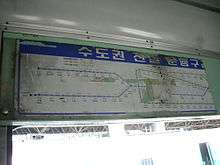
- August 15: Line 1 is officially opened with 9 stations from Seoul to Cheongnyangni (7.8 kilometers (4.8 mi)),[1] creating a system of 28 stations (excluding the 9 metro stations) on national railroads from Seongbuk Station (now: Kwangwoon University Station, the then-northern terminus) to Incheon Station and Suwon Station. Korail is named Korean National Railroad, with Line 1 just referring to the Seoul–Cheongnyangni section.
1978
- December 9: The Gyeongwon Line from Yongsan to Seongbuk opens as a new branch, with Ichon and Seongsu (now part of the Jungang Line).
1979
- February 1: Yuljeon Station is opened.
1980
- January 5: Sinimun Station is opened.
- April 1: Seobinggo, Hannam and Hoegi (now part of the Jungang Line) are opened.
- July 10: Seongsu is renamed Eungbong Station
1982
- August 2: Seoksu Station is opened.
1984
- January 1: Yuljeon Station is renamed Seongdae-ap Station.
- May 22: Sindorim Station is opened.
- November 20: Baegun Station is opened.
1985
- January 14: Seokgye Station is opened.
- April 20: Chang-dong is opened as a northward extension.
- August 22: Wolgye and Nokcheon are opened.
- October 18: Oksu Station (now part of the Jungang Line) is opened.
1986
- September 2: 6 stations from Uijeongbu to Chang-dong are opened as a northward extension.
1987
- October 5: Uijeongbu Bukbu Station is opened.
- December 31: Jung-dong Station is opened.
1988
- January 16: Onsu Station is opened.
- October 25: The Ansan Line is opened as a southward branch, from Geumjeong Station to Ansan Station.
1994
- July 11: Ganseok and Dowon are opened.
- December 1: Seongdae-ap Station is renamed to Sungkyunkwan University.
1995
- February 16: Guil Station is opened.
1996
- January 1: Hwigyeong Station is renamed to Hankuk University of Foreign Studies Station
- March 28: Bugae Station is opened.
1997
- April 30: Sosa Station is opened.
1998
2000
- Korea National Railroad and Line 1 are integrated as Seoul (Metropolitan) Subway Line 1.
2001
- November 30: Dohwa Station is opened.
2003
- April 30: Seryu and Byeongjeom are opened as a southward extension. The Ansan Line service is replaced with an extended Seoul Subway Line 4.
2004
- August 25: Bugok Station is renamed Uiwang Station.
2005
- January 20: 8 stations from Byeongjeom to Cheonan are opened as another southward extension.
- December 16: The Gyeongwon Line branch from Yongsan Station to Hoegi Station and the Jungang Line from Hoegi Station to Deokso Station open and are renamed to the separate Yongsan-Deokso Line. This service was the predecessor to the current Jungang Line.
- December 21: Dongmyo Station is opened.
- December 27: Sema and Osan College Stations are opened.
2006
- June 30: Jinwi and Jije Stations are opened.
- July 1: Garibong Station is renamed to Gasan Digital Complex.
- December 15: 8 stations from Soyosan to Uijeongbu Bukbu are opened as a northward extension. A spur line to Gwangmyeong Station is created. Uijeongbu Bukbu Station is renamed to Ganeung.
2007
- December 28: Deokgye Station is opened.
2008
- December: 6 stations from Cheonan to Sinchang are opened as another southward extension. Siheung Station is renamed to Geumcheon-gu Office.
2010
- January 21: Dangjeong Station is opened.
- February 26: Seodongtan Station is opened.
2015
Future Plans
Line 1 will be extended northward from Soyosan Station to Yeoncheon Station on the Gyeongwon Line, replacing the current "'Tonggeun" service operating there. Construction on this extension began in September 2014 and is expected to be completed somewhere in 2019.
There are also plans to extend the Gyeongbu Line branch of Line 1 to Cheongju Airport Station on the Chungbuk Line. This would create yet another branch; a new service will divert from the current extension along the Janghang Line, continue further down the Gyeongbu Line, and then divert onto the Chungbuk Line.
Rolling stock
Current
Seoul Metro
- Seoul Metro 1000 series
- Rheostat-controlled electric car (rebuilt cars) - since 1989
- VVVF inverter-controlled electric car - since 1999
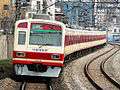 Seoul Metro 1000 series rheostat-controlled EMU (2nd batch)
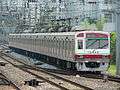 Seoul Metro 1000 series VVVF inverter-controlled EMU
Korail
- Korail Class 1000 (2nd, 3rd batch) (since 1986)
- Korail Class 311000 (since 1996)
- Korail Class 319000 (for Gwangmyeong Shuttle) (since 2006)
_OC.jpg) Korail Class 1000 (2nd batch) in original livery
Korail Class 1000 (2nd batch) in original livery Korail Class 1000 (2nd batch) in new livery
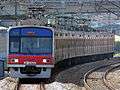 Korail Class 311000 (2nd batch)
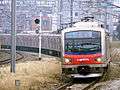 Korail Class 311000 (3rd batch)
 Korail Class 311000 (6th batch)
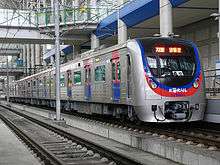 Korail Class 319000
Former
Seoul Metro
- Seoul Metro 1000 series
- Rheostat-controlled electric car (1st batch) (from 1974 until 2002)
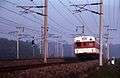 Seoul Metro 1000 series (1st batch car) on Gyeongbu Line, October 1988
Korail
- Korail Class 1000 (1st batch) (from 1974 until 2004)
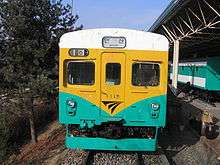 Preserved Korail Class 1000 (1st batch car), January 2009
Depots and facilities
(from north to south)
- Majeon signal box between Deokye and Yangju Stations
- Chang-dong Depot (shared with Line 4)
- Seongbuk Depot
- Imun Depot
- Guro Depot
- Siheung Depot (actually after Oido Station on Line 4, also used for heavy maintenance of Line 1 trains owned by Korail, accessed by a crossover located after Geumjeong Station)
- Byeongjeom Depot
In popular culture
Seoul Subway Line 1 is the setting and inspiration for the Korean rock musical, Line number 1 (Musical), by Hakchon Theater troupe based on the German musical, Linie 1 by Volker Ludwig.
See also
References
 |
Wikimedia Commons has media related to Seoul Subway Line 1. |
- 1 2 3 지하철건설현황 [Status of Subway Construction] (in Korean). Seoul City Government. Retrieved 2014-02-22.
- ↑ "Seoul's first subway line opened in 1974". Korea Times. 2011-02-13. Retrieved 2014-07-25.
External links
| Seoul Capital Area |
| ||||||||||||||||||||
|---|---|---|---|---|---|---|---|---|---|---|---|---|---|---|---|---|---|---|---|---|---|
| Busan |
| ||||||||||||||||||||
| Daegu | |||||||||||||||||||||
| Daejeon |
| ||||||||||||||||||||
| Gwangju |
| ||||||||||||||||||||